A Simple Guide to Caring for New Dental Crowns

Getting a new crown often feels like the end of a long dental episode. The tooth was cracked, worn down, heavily filled, or root canal treated, and now it is capped, protected, and meant to work like a normal tooth again. That is mostly true, but the first few days and weeks matter more than many people realize. A crown is strong, but it still sits on a real tooth, depends on healthy gum tissue, and can fail early if it is ignored or tested too aggressively.
Most problems with new dental crowns are not dramatic. They are small things at first: a bite that feels a little high, tenderness when floss snaps through too hard, sensitivity to cold that lingers longer than expected, or a Dental Crowns sticky caramel that tugs in a way that does not feel right. Patients often assume those details are normal and will sort themselves out. Sometimes they do. Sometimes they are the first signs that a small adjustment could save months of discomfort.
The good news is that crown care is usually straightforward. A few practical habits, a little patience while the tooth settles down, and prompt follow-up if something feels off are often enough to keep a new crown comfortable for years.
What a new crown is actually protecting
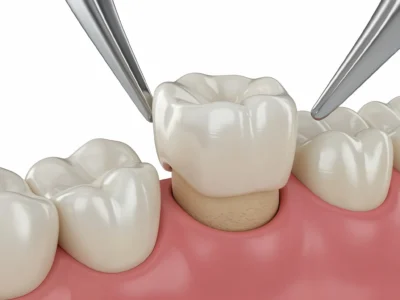
A crown covers the visible part of a damaged tooth. It is not just a shell placed for appearance, though it can improve appearance. Its real job is structural. When a tooth has lost too much natural enamel and dentin, a filling may not be enough to hold it together under chewing pressure. A crown wraps around that weakened tooth and redistributes force.
That matters because people often hear that crowns are made from porcelain, ceramic, zirconia, metal, or a combination of materials, then assume the crown itself is the whole story. It is not. The crown is only one part of the system. Underneath is your prepared tooth, and around it are the cement, the contact with neighboring teeth, and the gum line where plaque tends to collect. If any part of that system is neglected, the crown can still fail, even if the material itself remains intact.
A well-made crown can last a long time, often many years, but it is not indestructible. Teeth with crowns can still get decay at the margin where the crown meets the tooth. They can still become sore from grinding. The gums around them can still become inflamed if plaque builds up. Thinking of a crown as a permanent fix that no longer needs attention is one of the most common mistakes people make.
The first 24 hours matter more than people expect
The earliest phase after placement is usually uneventful, but there are a few practical rules worth taking seriously. If the crown was cemented with a material that needs time to fully harden, your dentist may ask you to avoid chewing on that side for a few hours. Even when the bond is strong right away, the surrounding tooth and gum tissue may still be irritated from the procedure.
Mild soreness during the first day is common. The tooth may feel bruised when you bite. The gum around it may look slightly red or puffy. If local anesthetic was used, be careful while eating until numbness wears off. Adults do this too, not just children. More than one patient has chewed the inside of a cheek because lunch happened before sensation returned.
Temperature sensitivity can also show up early, especially if the tooth still has a live nerve and had a large area prepared. That kind of sensitivity often improves as the tooth calms down. What matters is the trend. A little less sensitivity every few days is reassuring. Pain that grows sharper, lingers, or wakes you at night deserves a call.
The bite is another thing to watch immediately. Crowns are crafted to fit precisely, but a fraction of a millimeter can make a surprising difference. If the crown hits first every time you close your teeth together, that tooth may feel sore within a day or two. Patients often describe it as “too tall” or say, “I can’t stop noticing it.” That complaint is worth taking seriously. A small adjustment in the office can prevent ongoing soreness, jaw tension, or even a crack in the porcelain.
Eating with a new crown
Most people can return to normal eating quickly, but “normal” should still be sensible. A new crown is not the right place to test your bite force on ice, hard candy, or popcorn kernels. Dentists see the results of those habits all the time, and the damage is often avoidable.
For the first several days, softer foods are usually more comfortable. Yogurt, eggs, pasta, rice, cooked vegetables, fish, soups, and softer fruits are gentler choices if the tooth feels tender. If the crown is in the back, try chewing on the opposite side until that new-crown sensation fades. If it is in the front, avoid biting straight into very firm foods like crusty bread, whole apples, or tough sandwiches until it feels fully settled.
Sticky foods deserve a special mention. Caramel, taffy, very gummy candy, and some dense energy bars can pull hard on a new crown, especially if a temporary crown was recently replaced or the final crown was cemented only recently. It is not that one bite always causes a problem, but sticky foods create forces that are very different from simple chewing pressure. They can expose a weak bond or a crown that was not fully seated.
A practical rule is simple: if a food feels like it requires a tug to pull your teeth apart, be cautious with it around a new crown.
Cleaning a crowned tooth without damaging it
A crown needs the same daily cleaning as any other tooth, sometimes a little more. Plaque does not care whether the surface is natural enamel or polished ceramic. It collects wherever the toothbrush and floss are not doing their job.
Brushing twice a day with a soft-bristled toothbrush is the baseline. Use gentle pressure. Scrubbing hard does not clean better, and it can irritate the gum margin where the crown meets the tooth. That area is the one to respect most. If plaque sits there day after day, the gums get inflamed. If decay develops there, it often starts quietly and can spread under the crown edge before the problem becomes obvious.
Flossing is essential, and people are sometimes nervous about it with a new crown. That is understandable, especially if they had a temporary crown come loose in the past. With a permanent crown, floss should pass through the contact with slight resistance, curve around the side of the tooth, and come out cleanly. What you do not want is aggressive snapping downward into the gums or yanking upward if the floss catches. Slide it through, clean the side of the crown and the neighboring tooth, then ease it back out.
Interdental brushes or water flossers can help in certain cases, especially if there are wider spaces, bridgework, or gum recession. They are aids, not magic. The best tool is the one you will actually use correctly every day.
A short care routine that works
If you prefer a simple approach, this routine covers most of what matters:
- Brush gently twice a day, paying extra attention to the gum line around the crown.
- Floss once a day, sliding the floss out carefully rather than snapping it.
- Avoid very hard and very sticky foods for the first several days, longer if the tooth feels tender.
- Notice your bite when chewing, and call your dentist if the crown feels high or hits first.
- Wear a night guard if you already have one, especially if you grind or clench.
That is not complicated, but consistency matters more than complexity. Crowns usually fail slowly, not suddenly. Small daily neglect adds up.
Temporary crowns need a different level of caution
Some patients receive a temporary crown while the final one is being made. Temporary crowns are useful, but they are not built for long-term function. They are held in place with weaker cement so they can be removed. That means they are more likely to loosen, especially with sticky foods or aggressive flossing.
With a temporary, treat the tooth more carefully than you would with the final crown. Chew on the other side when possible. Keep very sticky foods off the menu. When flossing, many dentists suggest sliding the floss out to the side rather than lifting it back up, since upward force can dislodge the temporary. If it comes off, do not ignore it for days. The exposed prepared tooth can become sensitive, shift slightly, or allow the temporary to stop fitting correctly if left off too long.
A temporary that feels rough, loose, or sharp should be addressed. It may seem minor, but an ill-fitting temporary can irritate the gums and make the final crown harder to fit cleanly.
How much sensitivity is normal, and when it is not
This question comes up constantly because the answer is not identical for every tooth. A front tooth restored mainly for appearance may settle quickly. A back molar that had a deep cavity and needed extensive shaping may protest for longer.
Mild sensitivity to cold or pressure for a few days, sometimes a couple of weeks, can be normal. The nerve inside the tooth may simply be reacting to the preparation. The surrounding ligament that anchors the tooth can also be inflamed from holding the mouth open or from bite changes. That type of soreness usually improves gradually.
What raises concern is a different pattern. Sharp pain that intensifies, sensitivity to heat, throbbing that starts on its own, pain on release after biting, or tenderness that gets worse instead of better all deserve evaluation. A high bite, an irritated nerve, a crack extending below the crown, or underlying infection can all create symptoms that should not be brushed off.
One practical clue is whether you can predict the pain. If it hurts only when you bite on one spot, that suggests a mechanical issue, often fixable. If it aches randomly and keeps drawing your attention even when you are not eating, that is a different story.
The bite check is not a formality
When your dentist asks whether your bite feels even, that question is not just routine chatter. A crown that is microscopically too high can cause days or weeks of symptoms. It may not be obvious in the dental chair because your mouth is numb or you are biting differently than you do at dinner.
People sometimes hesitate to return for a bite adjustment because they do not want to “bother” the office over something that seems small. It is worth the appointment. A two-minute adjustment can stop the tooth from being overloaded hundreds of times a day.
I have heard patients describe an off bite in dozens of ways: “It feels like I’m chewing on a pebble,” “That tooth finds the food first,” or “My jaw feels tired on that side.” Those descriptions are useful. They tell the dentist where to look. If your instinct says the crown does not feel integrated with the rest of your bite, trust that instinct.
Grinding, clenching, and the crown that keeps taking the hit
A new crown sometimes reveals a long-standing grinding habit that had gone unnoticed. The crown may feel fine during the day, then sore every morning. Porcelain can chip under repeated heavy force. The tooth underneath can also become inflamed from clenching, even if the crown itself remains intact.
This matters especially for crowns on molars and for people who wake with jaw tightness, temple headaches, or a sense that they have been chewing all night. If your dentist has recommended a night guard, this is the time to wear it consistently. A crown is often stronger than the damaged tooth it replaced, but it is still part of a bite system that may be under too much pressure.
Not every night guard is the same. An over-the-counter guard may offer some protection, but a custom guard usually fits better, feels less bulky, and distributes force more evenly. If you have spent money and time restoring a tooth, protecting it from grinding is rarely overkill.
Gum care around dental crowns
A crown should not trap food constantly or leave the gum around it swollen for weeks. Some tenderness right after placement is expected, especially if the margin extends near the gum line and the area was manipulated during cementation. Persistent bleeding every time you brush or floss is not something to ignore.
Healthy gums around crowns look boring, and that is good. They should be pink or whatever your normal tissue tone is, close-fitting, and not puffy. If the gums remain inflamed, there are several possibilities. The cleaning may not be reaching the margin well enough. Cement residue may be irritating the area. The crown contour may make plaque harder to remove. Or there may be a fit issue that needs professional attention.
Patients often focus on whether the crown feels smooth to the tongue. Dentists focus just as much on whether the crown allows the gum to stay healthy. A crown can look attractive and still need adjustment if it is creating a plaque trap.
Habits that shorten the life of crowns
Crowns do not usually fail because of one ordinary sandwich or one missed night of flossing. They fail because of patterns. Repeated stress, repeated plaque accumulation, repeated neglect. A crown on a person who chews ice every day, skips cleanings, and clenches through the night lives in a very different environment than a crown on someone with careful habits.
These are the habits most likely to cause trouble over time:
- Chewing ice, hard candy, popcorn kernels, or using teeth as tools.
- Skipping floss because the crown “isn’t a real tooth anyway.”
- Ignoring a bite that feels off, sore, or increasingly noticeable.
- Letting a loose temporary crown stay off for days.
- Postponing checkups after chipping, pain, or gum swelling appears.
None of that means crowns are fragile. It means they respond to the same common-sense care that keeps natural teeth healthy. Respect the limits of the material, and it tends to serve you well.
What to do if something feels wrong
If the crown comes off, cracks, becomes very sensitive, or suddenly feels loose, call the dental office promptly. If it is a permanent crown and it came off cleanly, keep it in a small container and bring it with you. Do not try to file it, trim it, or force it back on. Pharmacies sometimes sell temporary dental cement for emergencies, and that can occasionally help as a short-term measure, but it is not a substitute for having the crown assessed properly.
If you cannot get in right away, eat on the other side and keep the area clean. A loose crown can allow bacteria and food debris under it. A dislodged crown can also mean the tooth underneath is now exposed and more vulnerable.
For pain, the pattern matters. Dull soreness with chewing may be manageable for a day or two while you wait for an adjustment. Spontaneous severe pain, facial swelling, fever, or difficulty biting down at all should be treated more urgently. Those symptoms suggest more than a simple settling-in phase.
How long a crown should feel “new”
Most crowns stop feeling noticeably different within a week or two. Your tongue adapts, your bite feels natural again, and you stop checking on that tooth every time you chew. Some people adjust within days. Others take longer, especially if the crown changed the shape of a front tooth or restored a back tooth that had not been functioning properly for a while.
A crown that still feels foreign after several weeks is worth reviewing. It may be slightly bulky, the contact may be too tight or too open, or your bite may need a subtle refinement. Patients are Dental Crowns sometimes told to “give it time,” and sometimes that is reasonable. But there is a difference between adaptation and ongoing irritation. If you keep noticing the same problem day after day, mention it clearly.
It helps to be specific. Saying “it feels weird” is honest but vague. Saying “cold lingers for 20 seconds,” “food packs between the crown and the next tooth,” or “I hit that tooth first when I chew bread” gives the dentist something actionable.
Follow-up care keeps small issues small
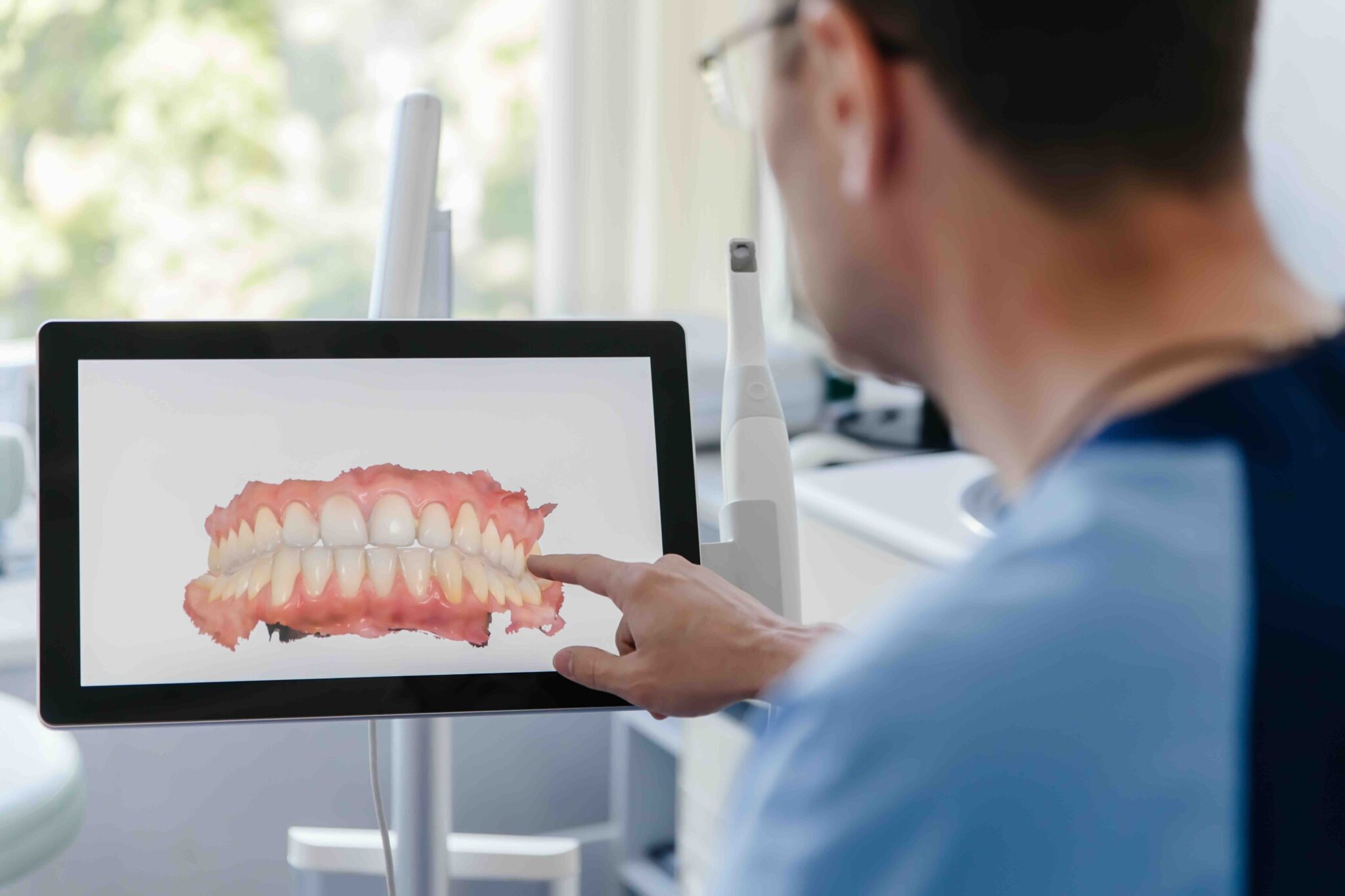
Routine dental visits matter after a crown is placed, not just before. A dentist or hygienist can often spot plaque retention, margin changes, gum inflammation, or tiny chips before you feel them. X-rays, when appropriate, can also help evaluate the edges of a crown and the health of the tooth underneath.
This is one area where people sometimes misunderstand success. If the crown is still attached, they assume all is well. But a crown can stay attached while the tooth at the margin slowly develops decay. It can remain intact while the bite causes chronic strain. Follow-up turns those hidden issues into manageable ones.
A good crown should let you forget about the dental work most of the time. It should allow comfortable chewing, healthy gums, and normal cleaning. When that is happening, the maintenance is almost unremarkable: brush, floss, protect it from abuse, and get it checked regularly.
That may not sound glamorous, but it is how dental crowns last. Not through heroic effort, just steady care, early attention to small changes, and the understanding that even a well-restored tooth still benefits from respect.
Simple Dental Vermont
Address: 8914 S Vermont Ave, Los Angeles, CA 90044
Phone number: +13239493000
FAQ About Dental Crowns
How much do crowns cost per tooth?
In the United States, a single dental crown typically costs between $800 and $2,500 per tooth without insurance. The ultimate out-of-pocket price depends heavily on the crown material, the location of the tooth, and whether you have dental insurance coverage.
What is the downside of crowns on teeth?
The primary downside of a dental crown is that the procedure permanently removes natural tooth enamel to shape the tooth for the cap.
Why do dentists push for crowns?
Dentists recommend crowns because a large filling cannot provide enough strength when a tooth loses a major portion of its structure or faces heavy chewing pressure.