How Dental Crowns in Los Angeles CA Can Fix Misshapen Teeth
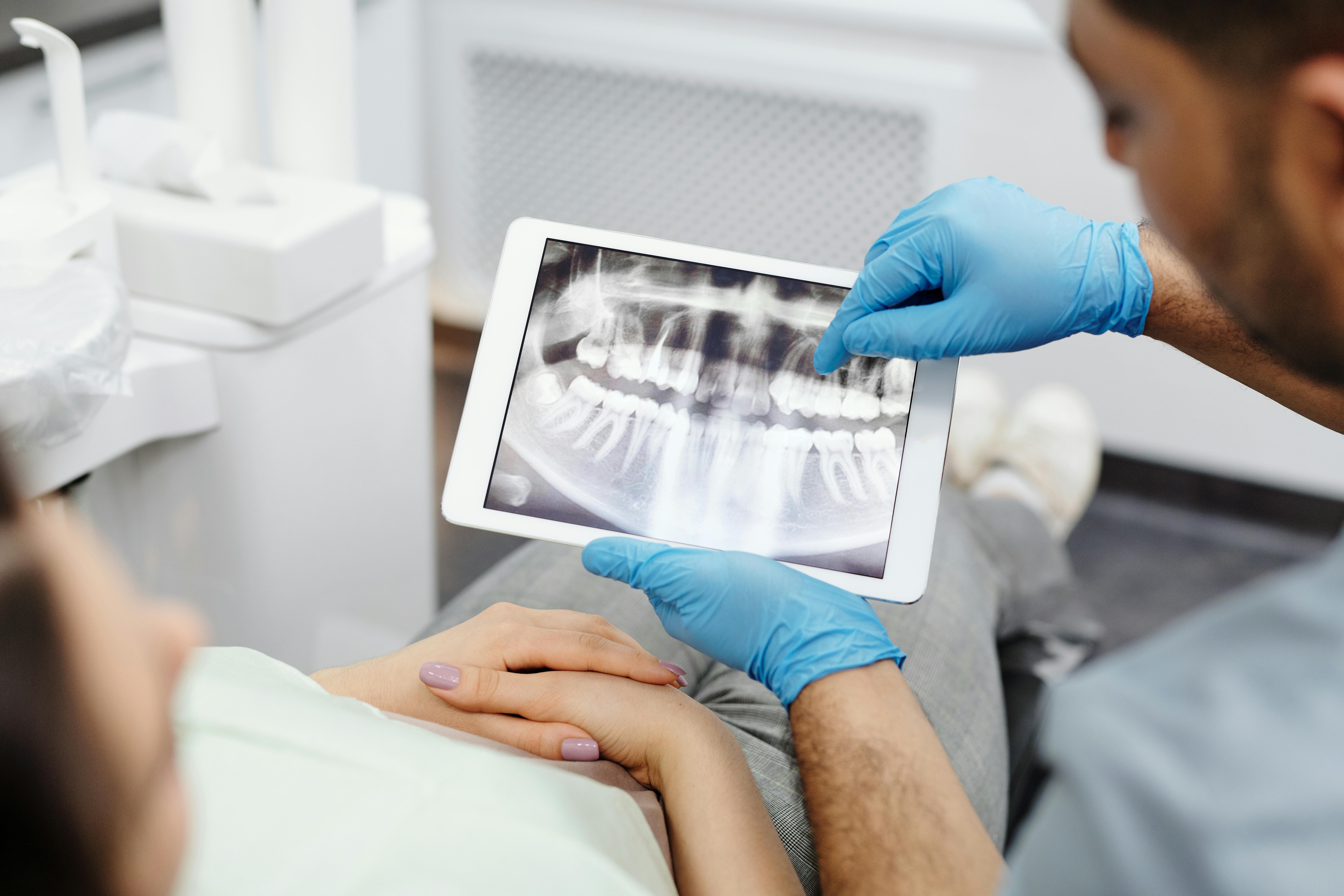

A misshapen tooth does not have to be severely damaged to affect someone’s confidence. In practice, the complaints are often subtle at first. A patient notices one front tooth that looks shorter in photos. Another has a molar with an odd contour that catches the tongue all day. Someone else has lived with a peg-shaped lateral incisor since adolescence and finally decides they are tired of smiling with a closed mouth. These issues may sound cosmetic, but they can influence speech, bite comfort, hygiene, and self-esteem in very real ways.
Dental crowns are one of the most reliable ways to correct teeth that are misshapen, poorly proportioned, worn down, or structurally compromised. When planned carefully, a crown can change the visible shape of a tooth while also strengthening it. That dual role matters. It is one reason many dentists recommend crowns when a tooth needs more than a small surface improvement.
For patients looking into Dental Crowns Los Angeles CA, the appeal is usually a mix of function and appearance. Los Angeles is a place where appearance is highly visible, but that does not mean treatment decisions are superficial. A crown has to look right, yes, but it also has to fit your bite, protect the tooth underneath, and hold up through years of chewing, temperature changes, and daily wear. Cosmetic success without durability is a short-lived win.
What “misshapen” really means in a dental setting
The phrase sounds simple, but dentists use it to describe several different problems. Sometimes the tooth developed that way. Peg laterals are a classic example, where an upper lateral incisor is naturally smaller and narrower than expected. In other cases, the tooth started out normal and changed over time because of wear, grinding, fractures, large fillings, acid erosion, or trauma.
A misshapen tooth may be too short, too small, too narrow, too bulky, uneven along the edge, twisted in appearance, or awkwardly contoured near the gumline. It may also be out of proportion relative to the neighboring teeth. That proportional issue comes up often in cosmetic cases. A tooth can be healthy enough, but if it visually disrupts the smile line, patients usually notice it every time they look in the mirror.
There is also the matter of bite dynamics. Teeth do not exist as isolated Dental Crowns Los Angeles CA units. If one tooth is worn or oddly shaped, it can throw off contact points, alter how forces land during chewing, and sometimes increase the risk of chipping on the opposite arch. I have seen patients focus on how a tooth looks, only to learn that its shape is also contributing to jaw soreness or food trapping. Good treatment planning accounts for both.
Why crowns are often the best answer
A dental crown covers the visible part of the tooth above the gumline, creating a new outer form. Unlike bonding, which adds material to selected areas, or veneers, which usually cover only the front and sometimes part of the biting edge, a crown wraps around the whole tooth. That broader coverage is useful when the tooth needs a full redesign of shape and support.
Crowns are especially effective when a misshapen tooth also has one or more of the following issues:
- extensive wear
- a large existing filling
- fracture lines or weak enamel
- previous root canal treatment
- bite stress from grinding or clenching
In those cases, a crown is not just a cosmetic shell. It becomes a protective restoration that helps preserve the remaining tooth structure.
This distinction matters because not every misshapen tooth should receive a crown. If a tooth is healthy, strong, and only mildly irregular in shape, more conservative options may be better. Bonding can work beautifully for small chips or contour changes. Veneers can be excellent for front teeth when most of the structure is intact and only the facial appearance needs refinement. Orthodontics may be the right call if the real problem is position rather than shape. A conscientious dentist should talk through these options rather than steering every case toward crowns.
The kind of shape problems crowns can fix well
Crowns are versatile, but they shine in situations where contour and strength need to change together. Front teeth and back teeth present different challenges.
With front teeth, the goals usually include symmetry, edge length, translucency, and how the tooth reflects light. A central incisor that is worn flat can be built back to a more youthful proportion. A lateral incisor that is too small can be widened and lengthened so it belongs visually in the smile. A canine with unusual rotation or bulky shape can be recontoured into a smoother arch form. These refinements sound technical, but they influence how natural a smile feels. People are very sensitive to front tooth proportions, even if they cannot explain why.
Back teeth are less visible, yet shape matters there just as much. A misshapen molar may create a food trap that irritates the gum. A premolar with a weak cusp may crack further if left unsupported. A crown can restore proper anatomy, reduce stress concentrations, and improve the way upper and lower teeth meet.
One of the most satisfying cases is the patient with a tooth that has both cosmetic and structural issues. Think of a discolored tooth after root canal treatment that also looks too narrow because a corner chipped years ago. A well-made crown can solve the color, shape, and strength problem in one treatment plan. That efficiency is hard to match with patchwork alternatives.
What makes a crown look natural instead of obvious
Patients often worry that a crown will look thick, flat, or fake. That fear is understandable, especially if they have seen older dentistry with opaque materials or heavy contours near the gumline. Modern crowns can look remarkably lifelike, but the result depends on planning and execution more than marketing language.
The first factor is tooth preparation. A dentist must remove enough structure to make room for the material while preserving as much healthy tooth as possible. Too little reduction can produce a bulky crown. Too much can unnecessarily weaken the tooth or irritate the nerve. There is judgment involved here, and experience shows.
The second factor is material choice. All-ceramic crowns are popular for visible teeth because they can mimic natural enamel well. Zirconia-based crowns offer excellent strength and are common in areas with heavy bite forces, though the esthetic outcome depends on the specific formulation and layering. Porcelain fused to metal crowns still exist and can be serviceable, but for highly cosmetic front tooth cases many patients prefer metal-free options to avoid opacity or shadowing.
The third factor is communication with the lab or in-house milling system. Shade alone is not enough. Good crown design considers surface texture, translucency, line angles, edge shape, Dental Crowns Los Angeles CA Dental Crowns Los Angeles CA and how the neighboring teeth vary in color. Natural teeth are not one flat shade from top to bottom. They carry depth. The best cosmetic crowns respect that complexity instead of trying to create perfection so uniform that it looks artificial.
This is particularly relevant when someone seeks Dental Crowns Los Angeles CA for visible front teeth. In a city where close-up photos, bright lighting, and high visual standards are common, tiny esthetic details matter. But natural-looking dentistry is not about making teeth blindingly white and identical. It is about making the restored tooth belong.
The appointment sequence, and what patients can expect
Crown treatment is usually straightforward, though the details can vary. Some offices still use a traditional two-visit process, while others offer same-day CAD/CAM crowns for selected cases. Both can work well when the case is appropriate.
During the first stage, the dentist examines the tooth, evaluates the bite, and takes imaging if needed. If the tooth is being considered mainly for shape correction, a cosmetic assessment is equally important. That may include photos, measurements, and a discussion of what bothers the patient most. Not every “misshapen” concern is clinically significant, but if it matters to the patient, it deserves careful listening.
After the tooth is prepared, the office takes an impression or digital scan. A temporary crown is often placed if the final restoration will be made by a lab. Temporaries are more important than many people realize. They protect the tooth, maintain spacing, and give both the dentist and patient a preview of shape and length. When a front tooth is involved, that preview can be invaluable.
At the final placement visit, the dentist checks fit, contacts, bite, contour, and appearance before bonding or cementing the crown. If the shape feels off to the tongue or the bite lands too soon on one area, small adjustments are made. Patients sometimes think they should simply “get used to it,” but a well-fitting crown should feel natural quickly. Persistent pressure, awkward contact, or floss shredding are not details to ignore.
Crowns versus veneers, bonding, and orthodontics
A patient with a misshapen tooth often hears several possible solutions and wonders why they differ so much in price, preparation, and longevity. The answer lies in what each treatment is designed to do.
Bonding is the most conservative in many cases. It is excellent for small changes, especially chips, minor asymmetry, or slight lengthening. It can often be done in one visit and at lower cost than a crown. The trade-off is durability. Bonded resin can stain, chip, and wear faster than ceramic, especially in heavy bite situations.
Veneers work beautifully when the tooth shape needs visible improvement mainly on the front side and edge, and the underlying tooth is strong. They preserve more tooth than a full crown in the right case. However, a veneer may not be ideal for a tooth with major structural loss, old large fillings, or significant bite stress.
Orthodontics addresses position. If a tooth looks misshapen because it is rotated or set back, moving it may solve much of the problem without changing the tooth itself. Sometimes the best result is a combination, such as aligning the teeth first and then refining one undersized tooth with a crown or veneer.
Crowns come into their own when contour correction and reinforcement need to happen together. They are less conservative than bonding or veneers, but they can be far more protective in the right circumstances. That is the central trade-off. A crown asks more of the tooth upfront, yet may provide the strongest long-term solution when the tooth is already compromised.
When a crown may not be the right move
Crowns are not a cure-all. There are times when they are simply too aggressive for the problem, and times when they may fail to address the real cause.
If the tooth is healthy and the shape issue is minor, full coverage may be unnecessary. If active gum disease is present, crown work should usually wait until periodontal health is under control. If a patient grinds heavily and refuses a night guard, even a beautifully made crown may chip or loosen prematurely. If the tooth has severe alignment issues, placing a crown to “hide” the malposition can create unnatural contours and cleaning difficulties.
There are also edge cases involving very young patients. If the tooth and gum architecture are still changing, definitive cosmetic crown work may need to be timed carefully. In those situations, dentists often favor temporary or conservative options until the mouth is more stable.
A good recommendation should account for biology, not just appearance. The most elegant-looking crown is still a poor choice if it ignores gum health, bite force, or the condition of the tooth underneath.
The role of bite, especially for worn or uneven teeth
One of the most overlooked aspects of crown design is occlusion, the way teeth contact during function. Patients tend to notice shape visually, but dentists also think in terms of force.
A tooth that looks misshapen may actually be the visible sign of a broader grinding pattern. Flattened edges, chipped corners, and shortened teeth often point to years of bruxism. Restoring one tooth without considering the rest of the bite can create a weak link. The new crown may end up taking excessive force because it now sits at the “high point” of contact.
That is why many restorative dentists evaluate the whole bite before placing crowns for shape correction, especially if multiple teeth are worn or asymmetrical. Sometimes the safest path involves equilibration, a protective night guard, or a staged plan rather than a single isolated crown. This can sound more involved than patients expect, but it often prevents repeat treatment later.
I have seen patients relieved to learn their oddly shaped tooth was not just a cosmetic quirk, but part of a pattern that could be managed. They stopped blaming themselves for “bad teeth” and started addressing clenching, acid exposure, or sleep-related habits that were driving the damage.
How long crowns last, and what affects that timeline
No ethical dentist should promise a crown will last forever. Some crowns last well over a decade, even much longer, while others need replacement sooner. Longevity depends on material, bite force, oral hygiene, decay risk, gum health, and whether the underlying tooth remains sound.
A crown can fail because the ceramic fractures, the cement seal breaks down, decay forms at the margin, or the tooth itself cracks. These are not all equally common, and the risk profile varies from patient to patient. Someone with dry mouth, heavy grinding, and inconsistent hygiene faces a different outlook than someone with stable gums and a balanced bite.
Patients often ask what they can do to help a crown last. The practical advice is not glamorous, but it matters:
- brush and floss carefully around the crown margin
- wear a night guard if you clench or grind
- avoid using teeth as tools
- keep regular exams so small margin issues are caught early
- address gum inflammation before it becomes chronic
The crown is only as healthy as the environment around it. That is true whether the motivation for treatment was cosmetic, functional, or both.
Cost, value, and the Los Angeles factor
Fees for crowns vary widely in Los Angeles, and patients are often surprised by the range. The difference can reflect materials, laboratory quality, technology, location overhead, case complexity, and the dentist’s time on cosmetic planning. A front crown that must match adjacent natural incisors precisely is a different challenge from a straightforward molar crown out of sight.
It is tempting to shop by price alone, especially when the tooth does not hurt and the concern began as cosmetic. But a crown for a misshapen tooth is not a commodity. Margin accuracy, contour, shade integration, and bite design all influence whether the restoration feels invisible or becomes a recurring annoyance.
That does not mean the most expensive option is automatically the best. It does mean patients should ask specific questions. Is the crown all ceramic or zirconia-based? Is it made in-house or by an outside laboratory? If it is a front tooth, how is shade matching handled? What happens if the temporary shape feels wrong? Is there evidence of grinding that needs to be managed too?
For people researching Dental Crowns Los Angeles CA, the strongest value often comes from a dentist who blends restorative skill with esthetic judgment, and who is candid about alternatives. If a provider recommends a crown, you should understand why that choice protects the tooth and improves the shape better than the other options on the table.
Signs you are a good candidate
Not every patient needs extensive treatment to fix a misshapen tooth. Still, crowns tend to be a good fit when the shape issue comes with structural weakness, prior large restorations, or significant wear. They also make sense when a patient wants a durable material with stable color and contours, especially in a tooth that has already been patched several times.
The ideal candidate has healthy enough gums to support the restoration, realistic expectations about color and shape, and a willingness to maintain the result. If grinding is present, a night guard should be viewed as part of the treatment, not an optional upsell. If several teeth are involved, a wax-up or digital mock-up may be worth the extra planning.
What matters most is precision in diagnosis. The dentist should be able to explain whether the problem is truly shape, or whether alignment, wear, old fillings, gum asymmetry, or color are the bigger drivers. Many disappointing cosmetic cases happen because treatment targeted the visible symptom rather than the underlying cause.
The difference between a better-looking tooth and a better smile
A crown can make one misshapen tooth look dramatically better. Sometimes that is all a patient needs. Other times, correcting a single tooth draws attention to neighboring issues, such as a darker adjacent tooth, uneven gum levels, or generalized wear. That does not mean the crown was a mistake. It means smiles are systems, not isolated parts.
This is where judgment and restraint matter. A thoughtful dentist helps patients decide when a single crown is enough and when broader planning would create a more harmonious result. Not everyone wants a full cosmetic makeover, nor should they be pushed toward one. Some of the best outcomes come from modest, targeted treatment that respects the patient’s natural dentition and personality.
When a crown is done well, people usually do not notice the dentistry. They notice that the smile looks balanced. The tooth no longer catches the eye for the wrong reason. The bite feels steadier. The patient laughs without hiding that side of the mouth. Those are meaningful changes, even if they seem small on paper.
For someone living with a misshapen tooth, that is the real promise of a crown. It is not just a cover. It is a way to restore proportion, strength, and ease, all in the same piece of dentistry. And when the case is selected carefully, dental crowns can do that exceptionally well.
Simple Dental Vermont
Address: 8914 S Vermont Ave, Los Angeles, CA 90044
Phone number: +13239493000
FAQ About Dental Crowns Los Angeles CA
How much do crowns cost per tooth?
In the United States, a single dental crown typically costs between $800 and $2,500 per tooth without insurance. The ultimate out-of-pocket price depends heavily on the crown material, the location of the tooth, and whether you have dental insurance coverage.
What is the downside of crowns on teeth?
The primary downside of a dental crown is that the procedure permanently removes natural tooth enamel to shape the tooth for the cap.
Why do dentists push for crowns?
Dentists recommend crowns because a large filling cannot provide enough strength when a tooth loses a major portion of its structure or faces heavy chewing pressure.