The Complete Patient Guide to Dental Crowns Los Angeles CA
If your dentist has told you that a tooth needs a crown, you are probably weighing two things at once. You want the tooth fixed properly, and you want to understand exactly what you are paying for, how long it will last, and whether the treatment is really necessary. Those are reasonable questions. A dental crown is one of the most common restorative treatments in modern dentistry, but for many patients it still feels like a big step.
That feeling is especially common in a city like Los Angeles, where dental options are everywhere and pricing can vary sharply from office to office. One practice may recommend a same day ceramic crown, another may suggest a lab made zirconia crown, and a third may tell you to wait unless symptoms worsen. Sorting through those opinions can be difficult if you do not have a clear framework.
This guide is designed to give you that framework. If you are researching Dental Crowns Los Angeles CA, the goal here is simple: help you understand when a crown makes sense, what the process looks like, what materials matter, how costs are shaped, and what daily life is like once the crown is in place.
What a dental crown actually does
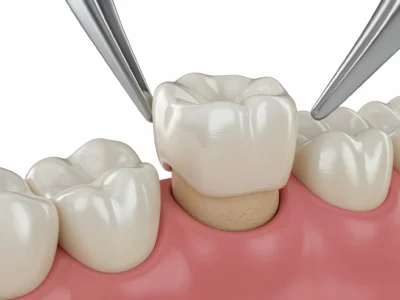
A crown is a custom made cover that fits over a damaged, weakened, or heavily restored tooth. It restores shape, strength, and function, and in many cases it improves appearance too. People often describe crowns as caps, which is not wrong, but that shorthand can make the treatment sound simpler than it is. A well made crown is not just a shell glued on top. It is a carefully designed restoration that has to fit your bite, seal the tooth, protect the remaining structure, and blend with the surrounding teeth.
Think of a tooth that has lost a large amount of structure, whether from decay, fracture, grinding, or an old filling that finally gave way. A filling works well when enough healthy enamel remains to support it. Once that support is gone, the risk shifts. The tooth may crack under pressure, especially on molars that handle heavy chewing forces. A crown redistributes those forces and helps the tooth survive.
That does not mean every damaged tooth automatically needs one. Good dentists weigh how much natural tooth remains, where the tooth sits in the mouth, the condition of the nerve, the way you bite, and whether a more conservative option can predictably work.
When a crown is usually recommended
There are several situations where crowns are commonly advised. The recommendation is less about salesmanship and more about biomechanics. Teeth break in predictable ways, and experience teaches which restorations hold up and which fail early.
Here are the most common reasons a dentist may suggest a crown:
- A tooth has a large cavity or a very large existing filling
- A tooth is cracked, worn down, or structurally weak
- A root canal has been completed and the tooth needs protection
- A dental implant needs a final visible tooth on top
- A misshapen or severely discolored tooth needs cosmetic improvement
That list covers the broad strokes, but context matters. A front tooth after a root canal is different from a back molar after a root canal. A small premolar crack is different from a molar with a missing cusp. A patient who clenches at night presents a different challenge from one with a light bite and no signs of wear.
One of the more frustrating situations I have seen repeatedly involves the patient who delays treatment because the tooth is not hurting much yet. The tooth may still be functional, so the recommendation can feel optional. Then six months later a fracture travels below the gumline, turning a manageable crown case into an extraction and implant case. That is not always preventable, but it is common enough that timing deserves serious attention.
When a crown may not be necessary
Patients are often relieved to hear this, but it is true: not every damaged tooth needs a crown. Sometimes a bonded filling, an inlay, or an onlay can restore the tooth while preserving more natural enamel. Conservative treatment is generally preferable when it can be done without sacrificing long term predictability.
For example, if a cavity is moderate in size and the tooth walls remain strong, a filling may be entirely appropriate. If damage is larger but still localized, an indirect restoration such as an onlay may protect the tooth without requiring full crown coverage. Cosmetic concerns are another gray area. Some teeth that appear dark or uneven can be improved with whitening, bonding, or veneers rather than crowns.
The key question is not, “Can this be repaired somehow?” The real question is, “Which treatment gives this tooth the best chance of staying stable for years?” That is the standard worth using.
The materials you are most likely to hear about
If you are comparing options for Dental Crowns Los Angeles CA, materials will come up quickly. Patients often hear terms like porcelain, zirconia, ceramic, porcelain fused to metal, and gold. Those terms are not interchangeable, and each comes with trade offs.
All ceramic and porcelain based crowns are popular because they can look very natural. They are often a strong choice Dental Crowns Los Angeles CA for front teeth and visible areas where translucency matters. Well done ceramic work can disappear into a smile in a way that feels almost invisible.
Zirconia crowns have become increasingly common, especially for back teeth. They are known for strength and durability, and modern versions can also look quite good. Earlier zirconia crowns sometimes had a more opaque appearance, but materials and staining techniques have improved. For molars in patients who grind or clench, zirconia is frequently discussed because it can handle heavy function.
Porcelain fused to metal crowns, often shortened to PFM, have been used for decades. They can perform well, but some patients dislike the possibility of a dark line near the gum over time, particularly if gum recession develops. In highly esthetic areas, many practices now favor metal free options.
Gold and other full metal crowns are less common than they once were, but they remain excellent restorations in selected cases. They are durable, kind to opposing teeth, and often conservative in terms of tooth reduction. Their obvious limitation is appearance. Most patients in Los Angeles are not eager to show a gold molar unless it is far back and they value function over cosmetics.
No material is universally best. The right choice depends on the tooth location, your bite forces, how wide you open, your esthetic expectations, and your budget.
The crown process, from diagnosis to final placement
For most patients, getting a crown takes either two visits or one longer visit if the office offers same day technology. The sequence is straightforward, though the details matter.
First comes diagnosis. The dentist examines the tooth clinically and with X rays. If there is decay, fracture, old leaking dental work, or nerve involvement, the treatment plan should be explained before any drilling begins. This is the moment to ask what the alternatives are and what happens if you wait.
At the preparation visit, the tooth is numbed and reshaped so the crown can fit over it without appearing bulky. If decay or old filling material is present, that is removed. In some cases the tooth needs a core build up first, which rebuilds missing structure so the crown has a proper foundation. If too little tooth remains above the gumline, the dentist may discuss whether the tooth is even restorable.
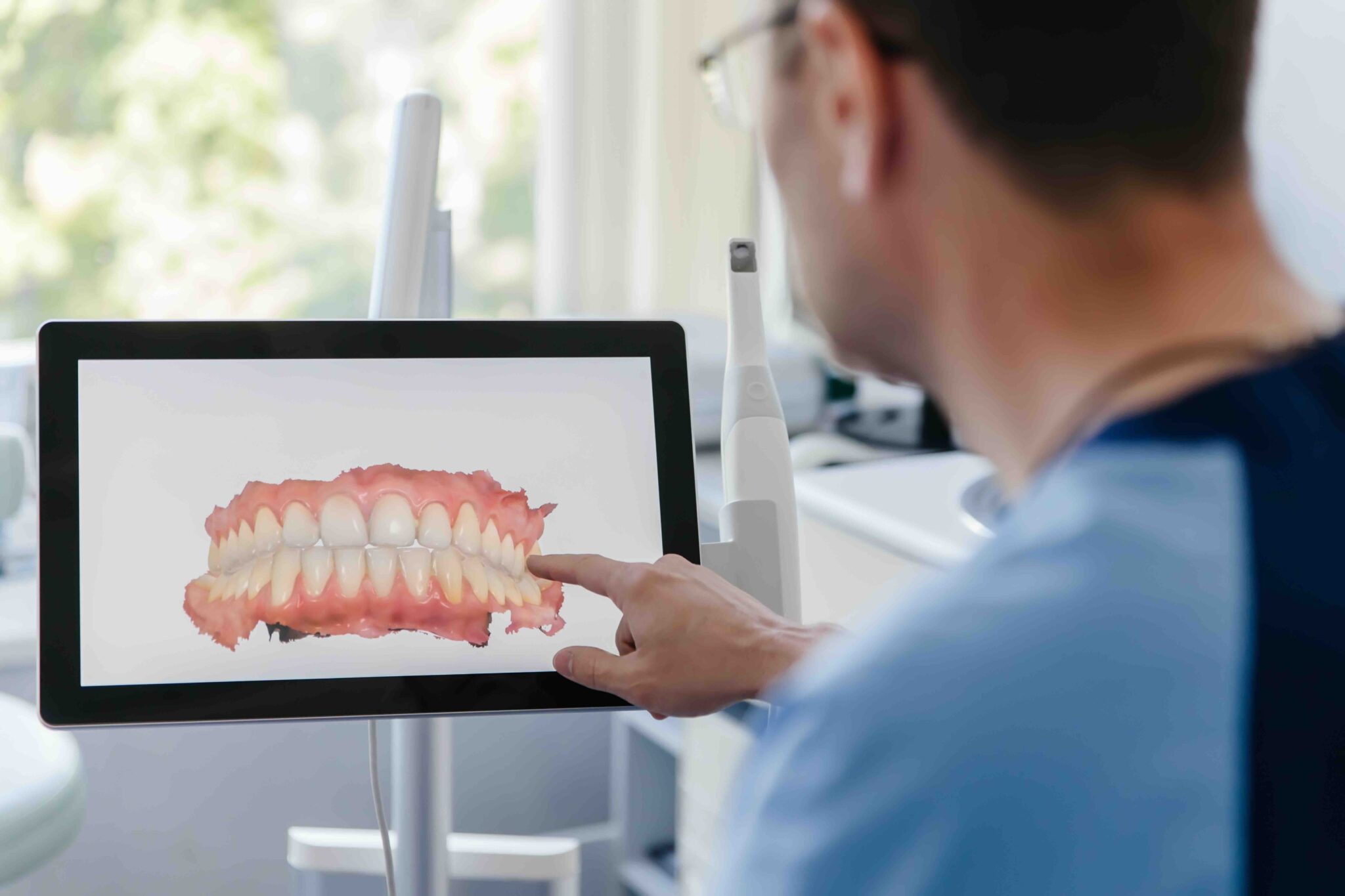
Once the tooth is prepared, an impression or digital scan is taken. This record guides the design of the final crown. If the crown is being made by an outside lab, a temporary crown is placed while the permanent one is fabricated. Temporary crowns are useful but not as strong or precise as final restorations. It is normal for them to feel a little different. It is not normal for them to be painfully high or repeatedly fall off.
At the seating visit, the temporary comes off and the final crown is tried in. The dentist checks fit, contacts with adjacent teeth, gum response, and bite. This stage deserves patience. A crown that is even slightly too high can create soreness, cold sensitivity, jaw fatigue, or a feeling that one tooth is taking all the force. Tiny bite adjustments often make a big difference.
Same day crowns streamline the timeline, but they are not automatically better or worse. A good same day crown can be excellent. A well fabricated lab crown can also be excellent. The skill of the dentist, the quality of the records, and attention to bite are often more important than whether the crown is made in house or by a laboratory.
Does getting a crown hurt?
Most patients do well with the procedure. The tooth is numbed, and the appointment itself is usually easier than expected. What people remember most is not pain during the preparation, but the odd sensation of keeping the mouth open and hearing the sound of the handpiece.
Afterward, mild soreness around the gums is common for a day or two, especially if the area needed extensive work. Some teeth stay temperature sensitive for a short period after preparation or cementation. If the tooth had deep decay, prior trauma, or a borderline nerve before the crown, sensitivity can linger longer.
There are times when a crown uncovers a deeper issue. A tooth may look restorable and test reasonably well, then develop persistent throbbing or severe bite pain afterward because the nerve was already compromised. That does not mean the crown caused the problem in a careless sense. Sometimes the need for root canal treatment only becomes clear after the tooth is restored. It is not common, but it does happen.
How long crowns usually last
This is the question nearly every patient asks, and understandably so. A dental crown is an investment. While no one can guarantee a precise lifespan, a well done crown can often last many years, frequently well over a decade. Some fail earlier, some last much longer.
Longevity depends on several variables. Bite force is a major one. A patient who clenches or grinds can place enormous pressure on crowns, especially at night. Oral hygiene is another. Crowns do not get cavities themselves, but the tooth underneath can still decay at the margins if plaque control is poor. Material selection, the accuracy of the fit, diet, and the condition of the supporting gum and bone also matter.
I have seen crowns fail not because the ceramic broke, but because decay quietly formed where the crown met the tooth. Patients are often surprised by that. They assume a crowned tooth is somehow sealed for life. It is not. The crown is a restoration, not a force field. Daily care still determines a great deal.
What crowns cost in Los Angeles
Costs for Dental Crowns Los Angeles CA vary substantially. There is no honest single number that applies to every office. Fees are shaped by location, materials, whether the practice uses an in house milling system or an outside lab, the complexity of the tooth, the skill and experience of the clinician, and whether related procedures are needed.
A straightforward crown on a stable tooth is one thing. A crown on a tooth that needs a build up, old decay removal, gum management, or root canal treatment is another. Insurance can reduce out of pocket costs, but coverage depends on plan details, waiting periods, annual maximums, and whether the crown is considered medically necessary under the policy terms.
Patients sometimes compare prices as if every crown is the same product. It is more complicated than that. The quality of the lab work, the time spent refining the bite, the material choice, and the diagnostic judgment involved all influence value. The cheapest crown is not always a bargain if it leads to remakes, chronic discomfort, or an avoidable failure. At the same time, a very high fee does not automatically mean superior care. The smart move is to ask what is included, what material is being used, and how the office handles fit issues after placement.
How to choose a dentist for crowns in Los Angeles
Los Angeles offers every style of dental practice, from boutique cosmetic offices in Beverly Hills to long established neighborhood practices in the Valley, Pasadena, West LA, and beyond. That variety can be useful if you know what to look for.
A good crown provider communicates clearly about diagnosis. They should explain why the tooth needs a crown, what alternatives exist, and what risks are specific to your case. They should also be comfortable discussing bite issues, especially if you grind, have chipped restorations, or have a history of jaw tension.
You do not need a sales presentation. You need a clinician who can show you the crack, the recurrent decay, the missing tooth structure, or the radiographic finding that drives the recommendation. Good dentistry is easier to trust when the reasoning is visible.
This is also an area where reviews only tell part of the story. Patients often review friendliness, office decor, and scheduling speed. Those things matter, but crown quality depends heavily on preparation design, margin accuracy, bite refinement, and case selection. If you are uncertain, a second opinion is reasonable, particularly for expensive or irreversible work.
Life with a new crown
A properly fitted crown should eventually feel unremarkable. That is the ideal outcome. You chew normally, floss normally, and stop thinking about it.
The first few days can be an adjustment. Your tongue is very good at detecting tiny differences in contour, so a new crown may feel prominent at first even when the fit is correct. Mild gum soreness can happen if the area was manipulated during treatment. If your bite feels off, though, do not wait weeks hoping it settles. A small high spot can create surprising discomfort, and it is usually easy to adjust.
Patients often ask whether they can eat normally. In most cases, yes, once numbness is gone and the dentist gives the all clear. That said, crowns are not indestructible. Chewing ice, opening packages with your teeth, or biting hard objects like olive pits is asking for trouble, whether the tooth is crowned or natural.
Caring for a crown so it lasts
Crown maintenance is not exotic. It is disciplined, ordinary oral care done consistently. Brush thoroughly along the gumline, floss daily, and keep recall visits. If you clench or grind, wear the night guard if one has been recommended. Skipping it to save a little inconvenience can cost you a crown, a cracked opposing tooth, or both.
Pay attention to subtle changes. A crown that starts catching floss, develops a persistent odor, feels loose, or suddenly becomes sensitive deserves prompt evaluation. Many failures are easier to manage when caught early.
These are sensible questions to ask before treatment:
- What material are you recommending for this tooth, and why?
- Is the tooth likely to need a build up or root canal treatment?
- Will this be a same day crown or a lab made crown?
- How will you check and adjust my bite after placement?
- If I grind my teeth, do I need a night guard to protect it?
Those five questions often reveal whether the treatment plan is thoughtful and individualized or simply routine.
Common problems patients run into
Most crown cases go smoothly, but a few issues come up often enough that they are worth understanding ahead of time.
One is bite imbalance. The crown may look fine in the mirror but feel wrong every time you chew. This can trigger sensitivity, muscle tension, or the sensation that one tooth hits first. Usually it is fixable with adjustment.
Another is food trapping. If the contact between the crown and neighboring tooth is too open, food may wedge in the area and inflame the gum. Patients sometimes describe this as “the crown feels fine, but everything gets stuck there.” That is not something you should simply accept.
A third issue is sensitivity around a crown margin. Sometimes this is transient. Sometimes it points to cement washout, recession, leakage, or an unresolved nerve problem. The pattern matters. Cold sensitivity that improves over a few weeks is different from spontaneous pain that wakes you at night.
Then there is esthetics. Shade matching a single front tooth can be challenging even in skilled hands. Teeth have depth, translucency, surface texture, and subtle color variation. Patients shopping for cosmetic crowns in Los Angeles often focus on whitening bright shades, but the more difficult task is naturalism. A crown can be technically sound yet still look flat or opaque if esthetic planning is rushed.
Special situations: root canals, implants, and front teeth
Crowns are not one size fits all, and certain clinical situations deserve separate mention.
After a root canal, a back tooth is commonly crowned because it tends to become more brittle over time and usually has already lost significant structure. Patients are sometimes tempted to postpone the crown after finishing the root canal because the pain is gone and the urgent part feels over. That delay can be costly if the tooth fractures before it is protected.
Implant crowns are different from crowns placed on natural teeth. The visible part may look similar, but the way it attaches and the maintenance concerns are not identical. Implants cannot get cavities, but they can develop gum and bone complications if plaque control is poor or if the bite load is not managed well.
Front tooth crowns require a different level of cosmetic planning. The dentist may consider smile line, lip movement, neighboring tooth shapes, and the translucency of the incisal edge. Small mismatches stand out more in the front than in Dental Crowns Los Angeles CA the back. Patients who have very high esthetic expectations should say so directly before treatment begins, not after the crown is delivered.
What patients in Los Angeles should keep in mind
Los Angeles is a style conscious city, and that shapes expectations around dental work. Many patients want restorations that are both durable and camera ready. That is a reasonable goal, but it can create tension when function and cosmetics pull in slightly different directions.
For example, the strongest material for a heavy grinder may not be the most lifelike under bright natural light. A crown designed for ideal translucency on a front tooth may require more careful treatment planning than a standard posterior crown. Good dentists talk through those trade offs rather than pretending every option excels at everything.
There is also a practical point about access. Because the city is large and traffic is real, convenience matters more than people admit. If follow up adjustments are needed, having a trusted office you can realistically get back to is not a minor detail. A crown that needs a ten minute bite adjustment is not a big problem if the office is accessible. It becomes a bigger problem when getting there takes half a day.
The bottom line on Dental Crowns Los Angeles CA
A crown can save a tooth, restore comfortable chewing, and protect you from a much bigger problem later. It can also be overused, poorly planned, or chosen when a more conservative option would have served you better. The difference lies in diagnosis, execution, and follow through.
If you are considering Dental Crowns Los Angeles CA, focus on the reasoning behind the recommendation, not just the label of the procedure. Ask what the crown is solving, what material fits your case, how your bite will be managed, and what the realistic lifespan may be given your habits and oral health. When those answers are specific and grounded, you are usually in better hands.
A crown should not feel mysterious. It is a practical piece of restorative dentistry, and when it is done well, it quietly gets your life back to normal. That is the standard worth paying attention to.
Simple Dental Vermont
Address: 8914 S Vermont Ave, Los Angeles, CA 90044
Phone number: +13239493000
FAQ About Dental Crowns Los Angeles CA
How much do crowns cost per tooth?
In the United States, a single dental crown typically costs between $800 and $2,500 per tooth without insurance. The ultimate out-of-pocket price depends heavily on the crown material, the location of the tooth, and whether you have dental insurance coverage.
What is the downside of crowns on teeth?
The primary downside of a dental crown is that the procedure permanently removes natural tooth enamel to shape the tooth for the cap.
Why do dentists push for crowns?
Dentists recommend crowns because a large filling cannot provide enough strength when a tooth loses a major portion of its structure or faces heavy chewing pressure.